
Accounting integration for stores: what should happen automatically
The till already knows everything the accounts need about today's sales. Yet in many stores the numbers are keyed in again. Here is what should run on its own.
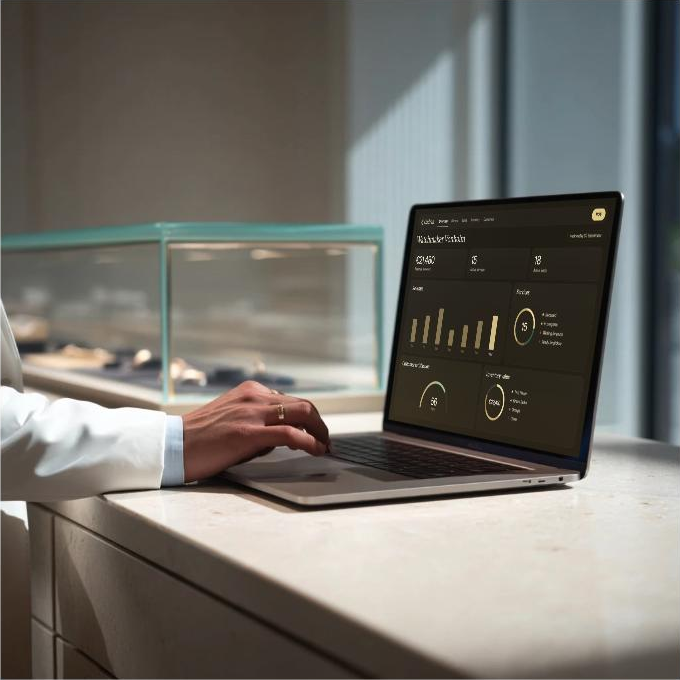
Every day settlement contains the same things: sales split by VAT rates, payments split by card, cash and mobile payments, and any discrepancies. In stores without an integration this gets printed, filed in a binder and keyed into the accounting system by someone who charges by the hour.
This guide is written by us at Cadran. Accounting is part of our system, delivered as an integration with partners, so we have seen plenty of settlements from both sides.
What should happen automatically
The day settlement should post every night, split by payment types and VAT rates, without anyone pressing anything. The card settlement should be reconciled against what actually lands in the account, so discrepancies show up at once instead of at month end.
Invoice sales should go straight to the accounting system with client data, through an integration with the system the store already uses.
What a person should still look at
Automation moves numbers; it does not judge them. A cash discrepancy, a return that looks odd, a settlement that does not match the terminal: the system should flag those, and a person should decide.
The accountant does not disappear, but the hours move from keying to advice. That is a better deal for both sides.
How to choose
Ask the POS vendor which accounting systems they integrate with, and ask to see a day settlement travel the whole way: from the last sale at the till to a finished entry in the accounts. If the demonstration includes an export and an import, it is not an integration, it is a detour.
Then ask the accountant what the hours of manual keying cost per year. That number is the whole calculation. And if you are considering bringing the whole operation into one system, we have described what switching actually involves.