
The best POS for watch stores: how to choose
A watch store sells few, expensive items with serial numbers, runs a workshop and faces a growing pre-owned market. Here are the options, and what to demand.
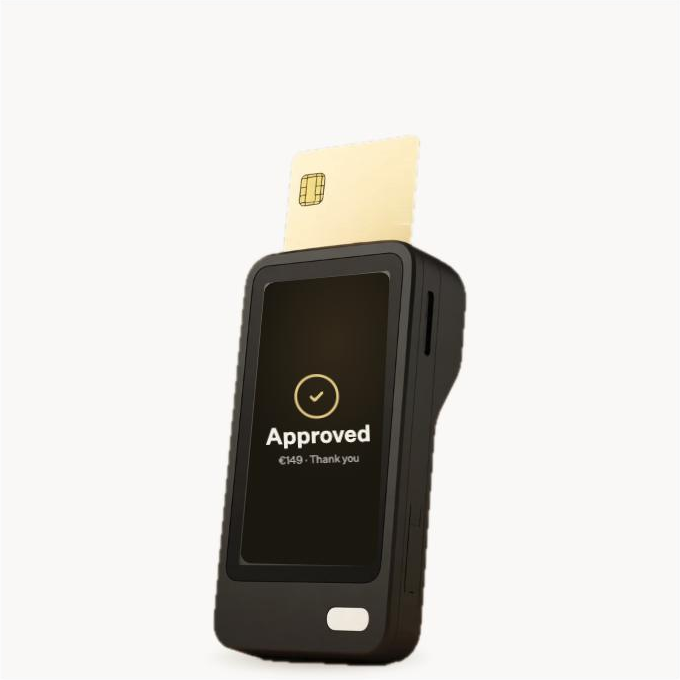
In a watch store every sale is large and every item unique. The watch carries a serial number, the warranty follows the number, the client comes back with it for service, and more and more often the client wants to trade it in for something new. A POS that treats watches as shelf goods loses exactly what makes the store profitable.
Like our guide for jewellers, this one is written by us at Cadran, and we supply a trade system ourselves. We try to be honest about when the simpler options are enough.
Simple mobile tills
Zettle, SumUp and the like are built for simple retail and do that job well. For a newly opened store with little stock they can be a good start.
But they do not recognise a watch. No serial numbers, no workshop, no handling of trade-ins. The history that makes a watch store credible in the pre-owned market simply does not exist in the system.
General retail systems
General retail systems cover the foundations of retail: stock, campaigns, reports and chain operations. Many watch stores use them today.
What is missing is the watch's life story. The serial number ends up in a free-text field, the service jobs in a binder or a separate tool, and the trade-in is entered by hand. Each workaround is small; the sum is that no one can quickly say what the store knows about a given watch.
Trade systems for watch stores
A trade system follows the watch, not just the sale: the serial number is registered at goods-in, tied to the client at the sale, follows the watch through service and carries on at trade-in. The AML documentation on pre-owned purchases sits in the same track.
Cadran is built in the Nordics for exactly this, with sales, workshop, pre-owned and stock in one system. Internationally there are comparable systems, most of them built for other markets.
How to choose
If the store mostly sells simpler items with no service work, a simple till may be enough. But if you work with serial-numbered watches, a workshop and trade-ins, the system should be built around that.
The test: ask the vendor to look up a serial number and show the whole history, from goods-in through the sale to the latest service. If the answer comes in seconds, the system is built for watches.
And whatever the vendor: insist that the day settlement posts automatically and that stock agrees with the till.